
Together for the Med organised a webinar on the implementation of UNEP/MAP EcAp and IMAP that took place on 20 July 2026.
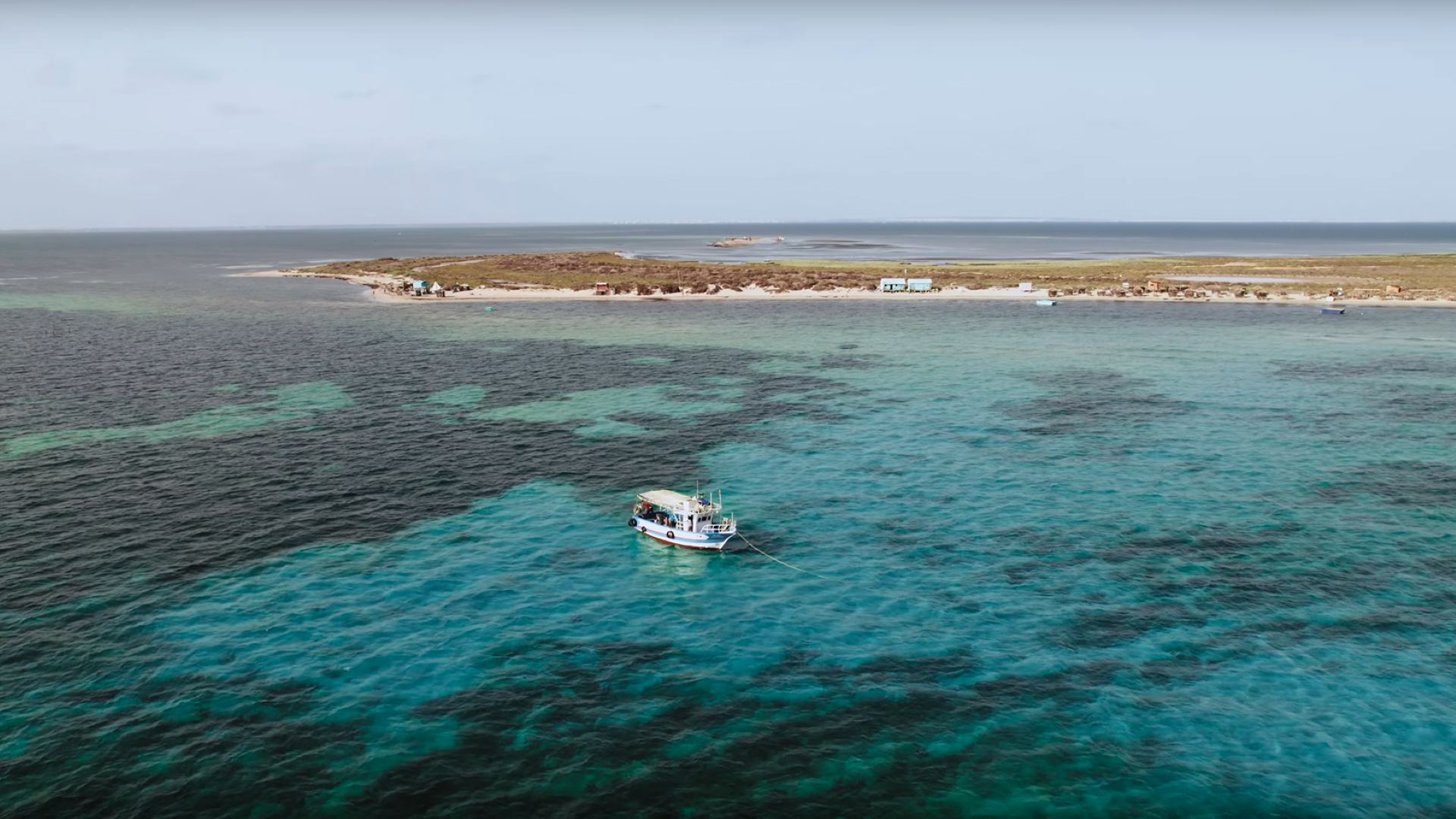
BlueSeeds and SPA/RAC, under the umbrella of Together for the Med, jointly organised a webinar on 20 July 2026 at 10:00 Tunis time to explore how Marine Protected Areas, NGOs and conservation practitioners can better connect local ecological monitoring with regional environmental assessment processes in the Mediterranean.
Across the region, MPAs and conservation organisations collect valuable data on marine biodiversity, habitats, species and ecological pressures. Yet these local monitoring efforts are not always connected to broader regional frameworks. This webinar showed how the UNEP/MAP Ecosystem Approach (EcAp) and the Integrated Monitoring and Assessment Programme for the Mediterranean Sea and Coast and Related Assessment Criteria (IMAP) can help structure monitoring activities, improve data quality and comparability, and support both site-level management and wider Mediterranean conservation objectives.
Speakers at the webinar

Christos Ioakeimidis
Quality Status Report (QSR) Programme Management Officer
UNEP/MAP
Samar Kilani
Programme Management Officer
UNEP/MAP
Yassine Ramzi Sghaier
Ecosystem Approach Project Officer
SPA/RAC

Lobna Ben Nakhla
Species Conservation Programme Officer
SPA/RAC
How does IMAP supports monitoring for MPAs and NGOs?
IMAP provides a common framework for monitoring and assessing the state of the marine and coastal environment in the Mediterranean. While it is mainly implemented through national monitoring programmes, MPAs, research institutions and local conservation initiatives can play an important role in generating long-term ecological data. Better alignment between local monitoring and IMAP can help ensure that information collected in the field contributes to national implementation, regional assessments and science-policy processes supporting the achievement of Good Environmental Status (GES) in the Mediterranean.
The webinar provided a practical introduction to EcAp and IMAP, with a focus on how these frameworks can support conservation action. Participants learned how to select relevant habitats, species, indicators and monitoring periods, while ensuring consistency with IMAP Common Indicators and regional priorities. The event also presented concrete experiences from Mediterranean MPAs, including biodiversity monitoring, data management, reporting tools and lessons learned from the field.
The webinar programme
The programme included three main sections.
The first part, led by Christos Ioakeimidis and Samar Kilani from the UNEP/MAP Coordinating Unit, introduced EcAp, IMAP and the EcAp MED PLUS project, explaining how these frameworks support integrated monitoring and regional cooperation. The second part, delivered by Yassine Ramzi Sghaier, Ecosystem Approach Project Officer at SPA/RAC, focused on biodiversity monitoring under IMAP, including Common Indicators, methodologies and opportunities for MPAs and NGOs. The third section, presented by Lobna Ben Nakhla, Species Conservation Programme Officer at SPA/RAC, shared practical experiences from Marine Protected Areas, with examples related to marine turtles, marine mammals, seabirds and the use of IMAP guidance in the field.
An open discussion allowed participants to share their needs and challenges when setting up or improving ecological monitoring programmes. Feedback collected during the exchange helped inform future guidance materials and capacity-building activities.
The webinar was held with simultaneous interpretation in English, Arabic and French. Supporting materials, including presentations and IMAP resources, are shared below.